GGC-ALPHA

The Oil Grid Technology

A modular, decentralized, self-energized, AI-controlled production architecture designed to challenge the assumptions of centralized hydrocarbon infrastructure.

Illustrative ~49% CAPEX reductionIllustrative ~61% faster deploymentIllustrative ~70% OPEX reduction through automationIllustrative ~80% energy reduction through self-energized design

System Architecture

Distributed hardware and intelligent command are designed as one platform

THE OIL GRID is described publicly as a modular field architecture in which process units, storage logic, control systems, and dispatch are coordinated as an integrated network. Proprietary engineering detail remains confidential, but the operating logic is clear: distribute function, reduce concentration risk, and optimize the field as a connected system.

Capital Intensity

Traditional mega-facilities are among the most expensive industrial projects on earth, with development timelines stretching up to 18 years from discovery to first oil.

Process Inefficiency

The traditional model transports unstable, multi-phase fluids over long distances, creating tight emulsions and wasting natural well stream energy.

Operational Rigidity

Centralized facilities are monolithic and inflexible, difficult to scale, adapt, or partially maintain without halting production.

Energy & Infrastructure Dependency

Immense power requirements call for dedicated power plants and large electrical substations while sprawling footprints consume major land reservations.

Security & Environmental Vulnerability

Concentrating production and storing hydrocarbons in one above-ground location creates critical vulnerability to physical threats and environmental hazard.

System transition

What if there was another way?

Core Modules

Four public-facing components describe how the platform is framed

The website can explain the architecture in institutional terms without disclosing confidential internal methods.

SERM-GC

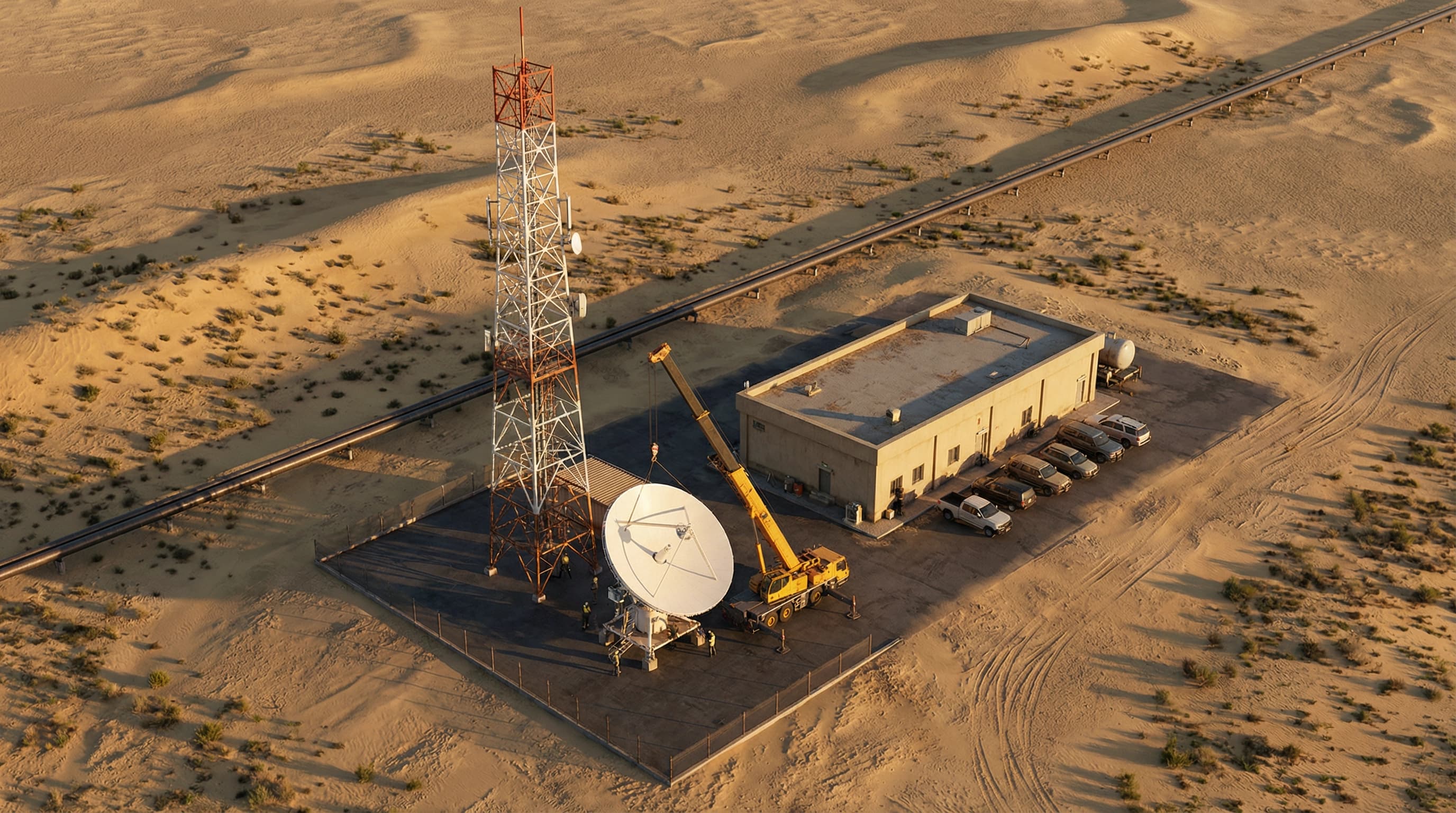
A front-end production node positioned at or near source to support early separation, stabilization logic, and localized field processing within the distributed system.

GridOil / Circle Line

The network layer that connects field assets into a circular, distributed production logic designed to reduce dependence on a single centralized concentration point.

AI-SC Station

The command layer that coordinates production state, optimization routines, and rapid response logic across the network. Publicly, it should be understood as inseparable from the hardware architecture it governs.

Dispatch Station

The final quality-control and release point where processed output can be verified, routed, and prepared for downstream movement without disclosing proprietary system detail.

How It Works

A narrative sequence from source handling to dispatch

The public explanation should clarify operating logic while remaining intentionally high level.

01

1. Separation at or near source

Instead of transporting unstable multi-phase flow across long distances toward a single mega-facility, the architecture is presented as performing early handling and separation nearer to production origin.

02

2. Underground storage and distribution concept

The system uses a lower-surface, distributed storage and movement philosophy intended to reduce above-ground concentration and support a smaller operational footprint.

03

3. AI command and optimization

The network is coordinated through AI-led supervision designed to manage start-up, shutdown, balancing, and exception handling as a field-wide operating system.

04

4. Final quality control and dispatch

The platform concludes with centralized quality assurance logic only where needed, allowing output verification and dispatch without reverting to the traditional mega-facility model.

Comparative Model

Traditional centralized mega-facility versus THE OIL GRID

The comparison follows the homepage’s problem-first structure: first establish the burden of the legacy model, then show the distributed alternative.

Dimension
Traditional Model
THE OIL GRID
Facility Type
Massive centralised mega-plant
Distributed network of compact modular units
Power Source
Requires dedicated external power plants
Self-energised from well stream (Illustrative ~80% less energy)
Storage
Above-ground tank farms (millions of barrels)
Underground grid — zero surface tanks
Construction Speed
Sequential — up to 18 years
Parallel modular — Illustrative ~61% faster
Gas Flaring
Routine flaring is standard practice
Zero routine flaring by design
Land Impact
Sprawling surface footprint
Illustrative ~60% smaller, mostly underground
Control System
Manual and semi-automated
AI-driven, single-command operation
Scalability
Build everything at once, full commitment
Start small, scale incrementally with revenue
Vulnerability
Single concentrated target
Distributed, no single point of failure
Disaster Resilience
Surface facilities exposed to all threats
Subterranean — inherent protection

AI Command

Rapid response is a system property, not an added feature

Publicly, GGC-ALPHA positions AI command as embedded into the physical architecture rather than layered on afterward. The hardware and the decision layer are designed to function together.

Rapid Start / Shutdown

Dynamic Production Optimization

Emergency Autonomous Response

All performance figures are illustrative, based on internal engineering estimates. Public descriptions are intentionally high-level and do not disclose proprietary specifications, internal methods, or confidential engineering detail.